Committee Page
Event calendar and internal information
Event calendar and internal information
One of the benefits of registration as an architect is the portability of the ‘licence’. Various mutual recognition agreements, both within Australia and internationally, support architects to work beyond their ‘home’ jurisdiction.
This session will provide you with some background on the role of the Architects Accreditation Council of Australia in negotiating mutual recognition agreements, an overview of agreements currently in place, and how to take advantage of these.
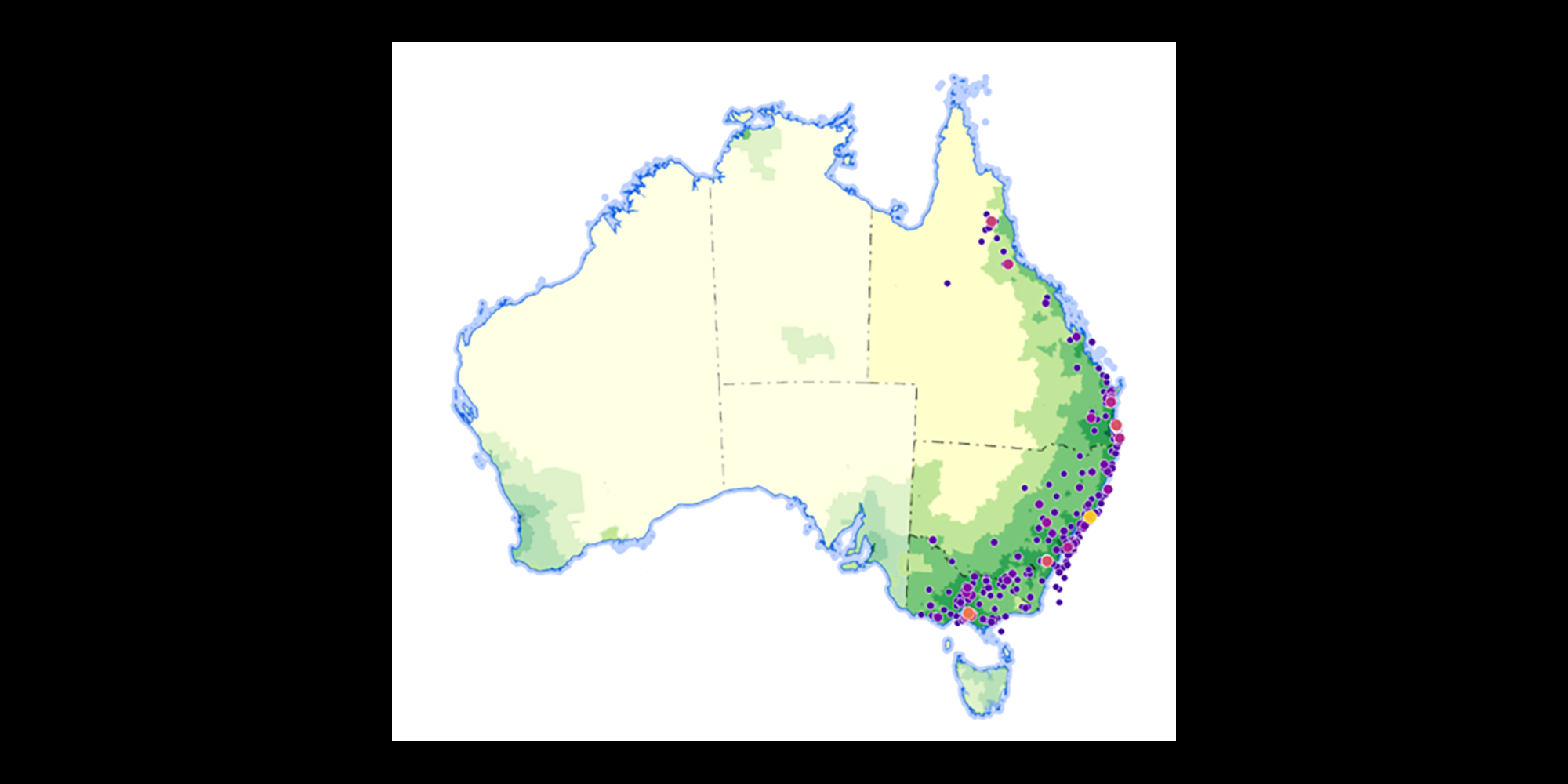
The session presents findings from RAA’s 2026 research project mapping the geographic spread of registered architects across regional Australia. The government-funded research is being undertaken by University of Tasmania PhD candidate and RAA intern, Hanna Shojaee Pour, supervised by RAA Secretary, Sarah Aldridge. Data has been built from state registers starting with New South Wales, ACT, Queensland, Victoria and Tasmania and reconciled against ABS regional classifications, with the aim of building a reliable and comparable picture of the regional profession’s scale and distribution.
Join us online to celebrate 5 years of RAA, hear about the Strategic Plan and recap on some great achievements in 2025-26.
Wherever you happen to be on the day, we invite/challenge/dare you to get creative and geek out — cook an edible masterpiece (think London’s Great Architectural Bake off), pen a poem, dress up - NOT like an architect - or share any other off-beat architecture-adjacent idea you like!
Regional Australia presents some of the country's most demanding building conditions. From coastal exposure and alpine climates to bushfire-prone landscapes and extreme temperatures, every project requires a considered approach to window and door systems.
Join AWS for this CPD session as we examine how climate, exposure and compliance influence window and door specification, helping architects deliver buildings that perform as beautifully as they look.
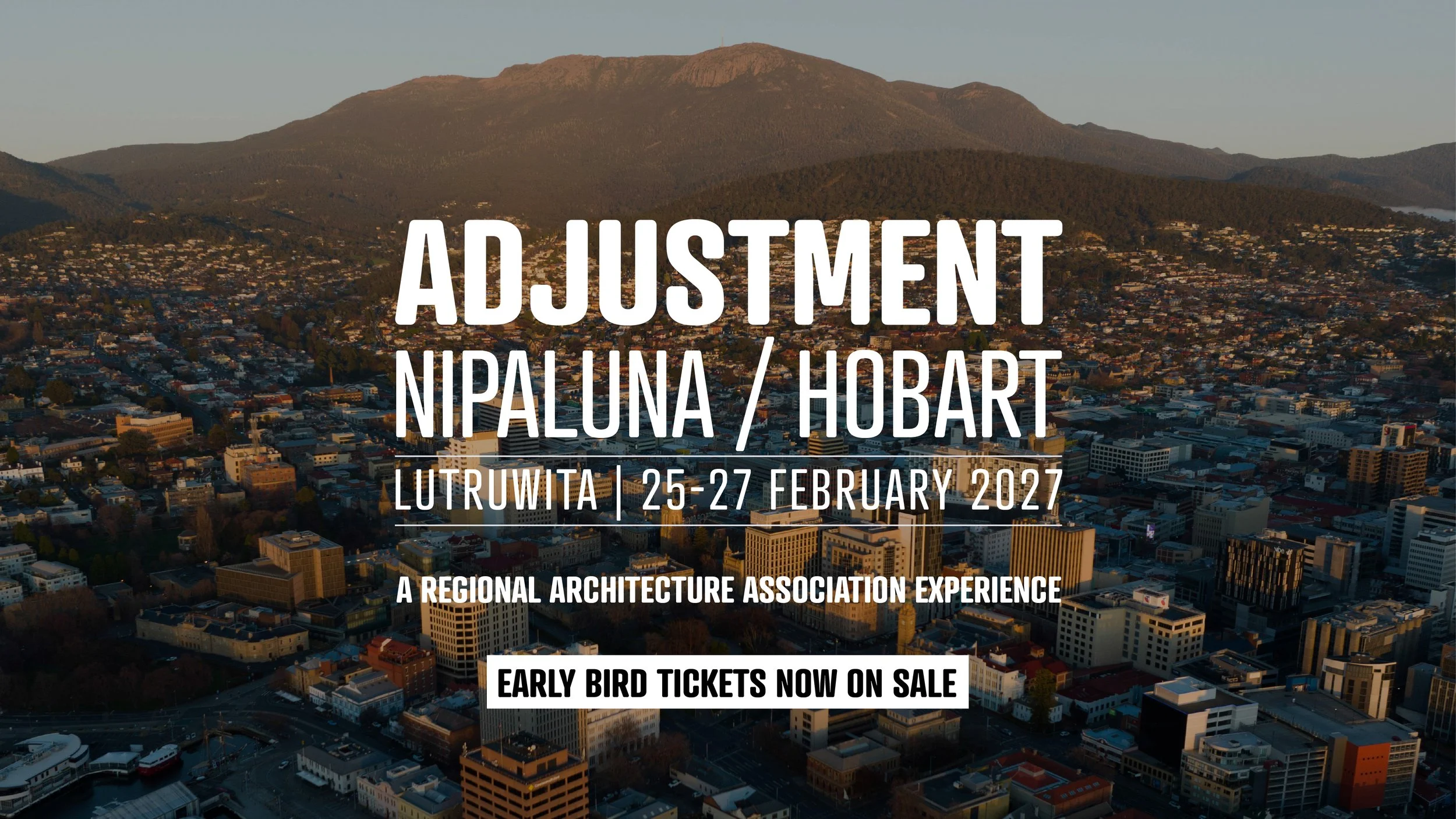
ADJUSTMENT asks that we look across the changing face of Tasmanian architecture and architectural practice, and provides examples of how we might respond. Not all contemporary challenges are covered, nor are all solutions provided. This event is a celebration of the modern working built environment professional. Whether through engagement in research, exploration of alternative ways of practice, whether we are measuring, intervening and applying restraint, each speaker provides a new perspective on how to make a building, or a practice, or a life, here.